
Camping at Point Pelee National Park means booking one of the 24 oTENTik cabins at Camp Henry, available year-round with check-in starting at 3pm. These A-frame shelters offer the perfect basecamp whether you’re exploring the park’s famous migration routes or using it as a strategic stop on your van life route through southwestern Ontario.
Here’s what makes this setup different from most national park camping: there are no traditional tent sites or RV hookups. Instead, you’re getting walk-in access to permanent shelters that bridge the gap between roughing it and a full cabin experience. Your van stays in the nearby parking (one vehicle per site), while you sleep in a structure that’s already waiting for you.
I discovered Point Pelee during a shoulder-season loop around Lake Erie, and the oTENTik option turned out to be ideal. After weeks of van sleeping, my partner and I wanted a change of scenery without losing that outdoor connection. The setup worked perfectly: we used our van as a gear hub and kitchen extension, then retreated to the cabin when the November wind picked up off the lake.
Four sites are wheelchair accessible (numbers 8, 11, 17, and 18), and if you’re traveling with a dog, sites 8 and 9 welcome pets. Keep in mind that park entry fees are separate from your camping reservation, so budget for both when you’re planning your stay.
The real advantage here is location. Camp Henry sits in the heart of one of Canada’s smallest but most biodiverse national parks, putting you within walking distance of marsh boardwalks, beaches, and some of the best birding in North America.
What You’ll Need to Reserve and Enjoy Your oTENTik Stay
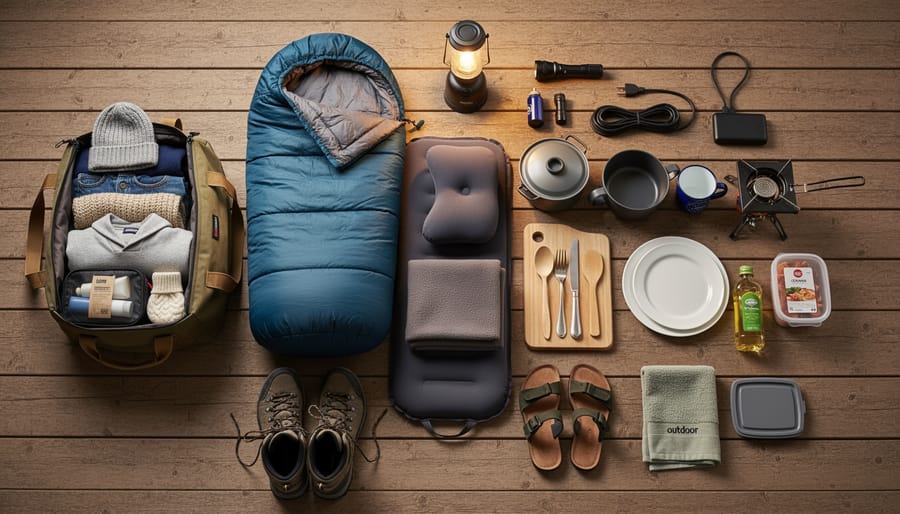
Before you roll up to Camp Henry with your van or pull into one of those 24 walk-in oTENTik sites, you’ll want to gather a few essentials to ensure the reservation goes smoothly and your stay feels comfortable. Think of this as your pre-trip checklist, half admin, half adventure prep. I learned this the hard way on my first national park camping trip when I showed up assuming “permanent shelter” meant fully stocked cabin. Spoiler: it doesn’t.
Start with your booking tools: a valid credit card for the reservation, an email address to receive confirmation, and a bit of patience if you’re booking during peak season when those pet-friendly sites (#8 and #9) or accessible options (#8, #11, #17, #18) fill up fast. Once you’ve secured your dates, print or save that confirmation, you’ll need it at check-in, especially if you’re arriving after office hours for self-check-in.
Here’s what you’ll actually need to pack and prepare:
- Valid payment method and reservation confirmation (printed or digital)
- Separate entry pass for Point Pelee National Park (fees not included with camping)
- Bedding: sleeping bags, pillows, blankets, oTENTiks have bed platforms but no linens
- Camp stove, cookware, utensils, and all your food supplies
- Personal toiletries and towels
- Parking pass documentation for one vehicle per site
- Pet vaccination records if staying in sites #8 or #9
- Accessibility documentation if you’ve reserved sites #8, #11, #17, or #18
- Flashlight or headlamp for navigating the walk-in access after dark
- Weather-appropriate clothing for year-round conditions
The oTENTik structure itself provides shelter and a couple of basic furnishings, but you’re still camping, just with better rain protection than a tent. Your essential packing checklist from van life still applies here: cooking gear, layers, first aid kit, and anything that makes your mobile setup feel like home. Since parking is limited to one vehicle and the sites are walk-in only, pack strategically so you can haul everything from your van to the cabin in one or two trips. Trust me, that walk feels longer when you’re juggling a cooler, sleeping bags, and your coffee setup.
Important Guidelines and Safety Considerations
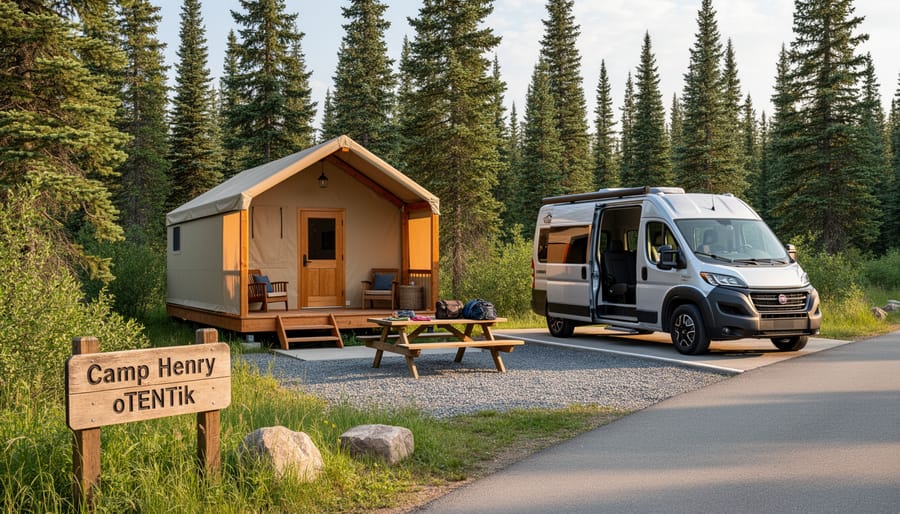
Before you pack up your van and head to Camp Henry, there’s some critical information that’ll save you headaches and keep your Point Pelee experience smooth. These aren’t just park bureaucracy, they’re the guardrails that protect both you and this incredible ecosystem.
First, timing matters. Check-in starts at 3pm, not a minute earlier, so don’t plan to roll in at noon expecting to settle right away. Use that morning to explore Leamington or grab supplies you forgot. If you’re traveling with pets, double-check you’ve snagged site #8 or #9, those are your only options, and they book fast. The four accessible sites (#8, #11, #17, #18) require advance documentation if you need mobility accommodations, so handle that during your reservation.
Weather’s another consideration for year-round camping. Winter stays demand serious cold-weather gear since these A-frame cabins aren’t heated, while summer brings humidity and bugs. Check forecasts before your trip and pack layers accordingly.
Point Pelee hosts serious wildlife, from migrating birds to foxes and deer. Store all food securely, never feed animals, and keep a respectful distance during encounters. The park’s fragile wetland ecosystem can’t handle careless behavior, pack out everything you pack in, stay on designated trails, and treat this place like the rare gem it is.
If something goes wrong, contact park staff immediately through the campground office or emergency numbers posted throughout Camp Henry. Cell service can be spotty, so locate these contact points when you arrive. This is shared space for our entire community of adventurers, your respect ensures it stays pristine for the next van lifer pulling in.
Step-by-Step: Reserving Your Camp Henry oTENTik Site
Step 1: Choose Your Perfect oTENTik Site
With 24 oTENTiks spread throughout Camp Henry, you’ve got options, but a little strategic thinking upfront makes all the difference. Start by considering your specific needs before you dive into the reservation system.
If you’re traveling with a dog, your choices narrow to sites #8 and #9. Site #8 is particularly special because it’s both pet-friendly and accessible, making it the only option if you need both features. For those requiring accessible sites, you’ve got four choices: #8, #11, #17, and #18. These sites accommodate mobility needs while still delivering the full Point Pelee experience.
Group size matters here. oTENTiks sleep up to six people, but if you’re solo or coupling up, any site works. Larger families or friend groups should confirm the sleeping configuration when booking, you’ll want to know exactly how the space divides.
Seasonal considerations shift the game too. Summer weekends fill fast, so booking early is essential. Winter and shoulder seasons offer more flexibility and a quieter experience, plus you’ll have the park practically to yourself. Year-round availability means you can return for different seasonal migrations and natural displays.
For van lifers, here’s the insider advantage: choose a site based on how you’ll use it. If your van is your rolling kitchen and you’re just sleeping in the oTENTik, any site works. But if you’re treating this as a full basecamp to spread out and recharge, consider how close you want to be to the parking area for shuttling gear. The walk-in setup means you’ll carry everything, so proximity can matter when you’re hauling coolers and camp chairs.
Step 2: Book Online or By Phone
Booking your oTENTik at Point Pelee is refreshingly straightforward. Head to the Parks Canada reservation website, search for “Point Pelee oTENTik” and you’ll land on the Camp Henry booking page. Alternatively, call the national reservation line if you prefer talking through your options with a real person, especially helpful if you’re coordinating a multi-park road trip.
Have your dates ready, along with a backup week or two if you’re flexible. Since all 24 sites stay open year-round, you’ve got genuine freedom to plan around shoulder seasons when the park is quieter and your van neighbors are fewer. Peak migration periods in spring and fall book up fast, so reserve several weeks ahead if you’re targeting those windows.
You’ll need a credit card and basic contact information. The system shows which sites are available for your dates, if your first choice is taken, don’t stress. The oTENTiks are clustered close together, so you’re trading views for convenience rather than dramatically different experiences.
Can’t find availability for your exact dates? Try shifting by a day or two, or check midweek slots. Van life gives you that scheduling flexibility most people don’t have, use it.
Step 3: Prepare for Self-Check-In (If Arriving After Hours)
Life on the road means your arrival time isn’t always predictable. Road construction, a stunning sunset detour, or an unexpected wildlife sighting can throw off even the best-laid plans. If you’re going to roll into Point Pelee after the campground office closes, you’ll want to set up self-check-in in advance.
Contact Parks Canada before your arrival date to arrange this option. They’ll provide specific instructions for locating your oTENTik assignment and accessing your site without staff assistance. Keep your reservation confirmation accessible, whether that’s a printed copy tucked in your van’s glove box or saved on your phone. You’ll need the confirmation number and the details of your booking.
Before you hit the road, double-check what time the office closes on your arrival day. Seasonal hours can shift, and knowing the cutoff helps you plan your drive. If you’re running late and haven’t arranged self-check-in, a quick phone call can save you from arriving to locked doors and uncertainty.
Once you’ve got your self-check-in details sorted, you can relax into your journey. The flexibility to arrive on your own timeline is one of those small freedoms that makes van life work so well with national park camping.
Step 4: Arrive and Check In After 3pm
When 3pm rolls around, head to the Camp Henry entrance and park in the designated lot, there’s one spot reserved per oTENTik, so you won’t be circling for space. From there, it’s a short walk to the office where you’ll grab your site assignment and any last-minute information from the staff. They’ll point you toward your specific oTENTik and hand over the key.
The walk from parking to your cabin is genuinely refreshing after hours in the driver’s seat. I remember my first Point Pelee arrival, stretching my legs on that tree-lined path and feeling the shift from highway mode to camping mode. It’s not far, maybe a few minutes, but that brief separation between van and sleeping quarters creates a surprising mental reset. You get the cozy shelter of a cabin without losing the freedom to hop in your rig and explore whenever you want.
Once you reach your oTENTik, unlock the door and do a quick walkthrough. Check that everything looks good, locate the nearest facilities, and start unloading your gear from the van. Pro tip: make one efficient trip with your bedding, cooler, and essentials rather than shuttling back and forth. You’ll settle in faster and have more daylight to explore the park.
Step 5: Enjoy Your Stay and Check Out by 11am
Your oTENTik becomes home base for exploring everything Point Pelee offers, from the famous boardwalk trails to the incredible bird migrations. Start your mornings early to catch the park at its best, then return to your cabin for a comfortable break before heading out again. Unlike sleeping in your van at a trailhead, you have a solid roof and a cozy retreat after long days of hiking and wildlife watching.
Keep the 11am checkout time in mind from day one. That morning deadline comes faster than expected when you’re packing up camping gear, loading your van, and making sure the oTENTik is clean. Set an alarm for 9am on checkout day so you have plenty of buffer time. Walk through the cabin one final time, checking for forgotten items in corners and under bunks.
Leave no trace means more than just picking up garbage. Sweep the floor, wipe down surfaces if you’ve cooked inside, and return any provided items to their original spots. This camping etiquette ensures the next travelers find their oTENTik as welcoming as you did. Lock the door, drop your key at the office if required, and transition smoothly back to van life knowing you’ve respected both the space and the community.
What to Expect at Your oTENTik: Features and Layout
Your oTENTik is basically a grown-up tent with a roof and a floor, think of it as the perfect middle ground between your van’s cozy sleeping quarters and roughing it in a traditional tent. These A-frame cabins give you walls and a solid structure, but they’re not heated hotel rooms. You’ll find a raised sleeping platform that can accommodate up to six people (perfect for families or groups), a small table with chairs, and a front porch where you can kick back with your morning coffee. The screened windows let in fresh air while keeping bugs out, which is a huge win during Point Pelee’s warmer months.
Here’s what they don’t include: bedding, electricity, heating, cooling, or running water. You’ll need to haul in your sleeping bags, pillows, camping stove, cookware, and all your food from your vehicle. There’s no fridge, so pack a cooler if you’re staying multiple nights. Bathrooms and showers are in a separate facility nearby, not attached to your oTENTik. If you’re used to van life, this might feel like a step down in convenience since you’ll be walking to facilities instead of having everything in your mobile home.
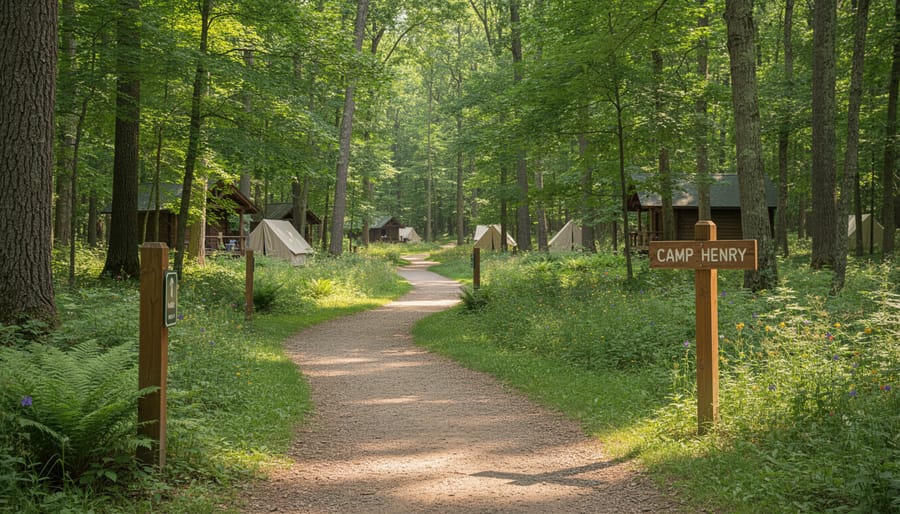
The Camp Henry setting itself is gorgeous, these 24 cabins are tucked among trees, giving you that forest vibe without the hassle of pitching and striking a tent. I’ve found oTENTiks work brilliantly as a basecamp when you want to explore Point Pelee thoroughly without setting up and tearing down daily, but you still crave that camping atmosphere your van doesn’t quite deliver.
Making the Most of Point Pelee from Your Camp Henry Base
Your oTENTik stay should feel effortless once you’re settled. Quick verification: you’ve got your confirmation details, you checked in after 3pm, and your chosen site matches what you booked. If something feels off, wrong site number, missing amenities, or access issues, head to the campground office during operating hours or call Parks Canada directly. They’re genuinely helpful, especially when you explain you’re balancing van life logistics with park camping.
Camp Henry positions you perfectly for exploring Point Pelee’s trails, beaches, and legendary bird migration viewing. Start early at the Marsh Boardwalk or catch sunrise at the southernmost tip, then return to your oTENTik for midday rest before evening adventures. Your van stays parked while you explore on foot or bike, saving fuel and hassle.
Extending your stay? Book additional nights online if availability allows, many van dwellers use Camp Henry as a multi-day basecamp while exploring southwestern Ontario. Nearby Leamington offers practical stops for groceries and propane, while Pelee Island makes an excellent day trip extension.
Connect with fellow campers around shared fire pits or along trails. You’ll find a mix of tent campers, families, and other mobile living enthusiasts who appreciate swapping stories and RV vocabulary. This communal aspect transforms Point Pelee camping from a simple overnight into something richer, a reminder that nomadic living thrives on both solitude and connection.
Common Questions About Point Pelee oTENTik Camping
Do I need to pay a separate park entry fee?
Yes, the oTENTik camping fee doesn’t include Point Pelee’s entry fees. Check the latest entry fee info before your trip and budget accordingly for daily or annual passes.
How many oTENTik sites are available at Camp Henry?
Point Pelee offers 24 oTENTik sites year-round. Four sites (#8, #11, #17, #18) are accessible, and two sites (#8, #9) welcome pets.
Can I park my full-size van at my oTENTik site?
Each oTENTik includes parking for one vehicle nearby, but sites are walk-in only. If you’re traveling in a larger van or RV, confirm parking logistics when you book, especially during peak season when spaces fill quickly.
Are oTENTiks suitable for extended stays?
Absolutely. The year-round availability makes them perfect for longer visits, though most van lifers treat them as comfortable basecamps for a few nights while exploring the park and surrounding area before continuing their journey.
One question I hear constantly from the community is about timing. Since check-in starts at 3pm, plan your arrival accordingly if you’re rolling through southwestern Ontario on a flexible schedule. The walk-in access means you’ll want to arrive with enough daylight to haul your gear from the parking area to your cabin, especially in winter months when darkness comes early.
The pet-friendly sites book fast, so if you’re traveling with a dog, reserve sites #8 or #9 well in advance. These two spots are the only ones where your four-legged travel companion is welcome, and van lifers with pets know that finding accommodating camping options can make or break a trip.
Point Pelee’s oTENTik camping proves that nomadic living doesn’t always mean sleeping in your van. Sometimes the best adventures happen when you park the wheels, grab your gear, and walk into a cozy A-frame that’s waiting for you. These 24 permanent shelters offer something many van lifers crave after weeks on the road: a solid roof, a real bed, and a chance to explore one of Canada’s most unique national parks without sacrificing comfort.
For first-timers, start simple. Book a pet-friendly or accessible site if you need one, arrive after 3pm with your bedding and food ready, and let the park work its magic. You’ll quickly discover that mixing van life with occasional cabin stays isn’t cheating the lifestyle, it’s enriching it.
The beauty of this approach is flexibility. Camp Henry becomes your basecamp while your van rests nearby, ready for the next leg of your journey. Some nights call for stargazing through your van’s roof vent; others deserve the shelter of an oTENTik with Lake Erie breezes drifting through.
We’d love to hear how Point Pelee fits into your nomadic story. Share your Camp Henry experiences, tips, or questions with the Life on Wheels community, because every camping style adds something valuable to our collective adventure.