
Canada RV camping delivers unmatched access to pristine wilderness, from the Rocky Mountains to Atlantic coastlines, with thousands of well-maintained campgrounds designed specifically for RVers of all experience levels. The vast network of national and provincial parks means you can wake up beside turquoise glacier lakes one week and watch whales breach from your campsite the next, all while enjoying reliable hookups, dump stations, and facilities that make mobile living comfortable even in remote locations.
What makes RV camping across Canada particularly special is the way the country has embraced mobile living as a legitimate way to experience its geography. You’re not just tolerated at these campgrounds; you’re welcomed into a culture that understands the appeal of waking up somewhere new, of chasing the seasons, of building community around evening campfires with fellow travelers who’ve chosen the same path.
The logistics are more straightforward than you might expect. Parks Canada operates reservation systems that open on specific dates each winter (many 2026 reservations opened in January), giving you advance access to prime spots in iconic locations like Banff, Jasper, and Pacific Rim. Provincial park systems follow similar patterns, though timing varies by region. Setting up your account before reservation windows open saves precious minutes when popular campgrounds fill within hours.
Whether you’re planning your first cross-country journey or adding to years of road stories, Canada rewards the prepared traveler. Understanding seasonal patterns, knowing which destinations require advance bookings versus first-come options, and recognizing when shoulder seasons offer better value and smaller crowds will transform your experience from simply adequate to genuinely memorable.
Why Canada Is a Dream Destination for RV Camping
I’ll never forget the morning I woke up in my RV at a lakeside site in Ontario, opened the door with my coffee in hand, and watched mist rise off the water while a family of loons called in the distance. That moment, pure stillness broken only by nature, captures exactly why Canada has become a dream destination for RV travelers like us.
The sheer scale of wilderness here is staggering. Canada offers more protected parkland than most countries have total land area, giving you access to mountains, coastlines, prairies, and forests without the crowds you’ll find at similar destinations elsewhere. You can park your rig beside a glacier-fed lake in the Rockies one week and wake to Atlantic waves crashing on cliffs the next, all while enjoying the freedom of the open road.
What truly sets Canada apart is how welcoming it is to RV travelers. National and provincial parks were designed with RVs in mind, offering electrical hookups, dump stations, and sites that accommodate larger rigs, not just afterthought parking lots, but thoughtfully placed spots where you’re genuinely immersed in nature. The infrastructure works. Roads are well-maintained, campgrounds are clean and accessible, and you’ll find the services you need without sacrificing that remote camping feel.
Then there’s the community. Canadian campers have this wonderful culture of friendliness and shared adventure. Pull into a campground and within an hour, someone’s likely offering tips about the best hiking trail or inviting you to their campfire. There’s an unspoken understanding among RVers here that we’re all part of something special, choosing experiences over possessions, mornings in the wild over alarm clocks.
This combination of pristine landscapes, practical infrastructure, and genuine community makes Canada more than just another camping destination. It’s where the mobile lifestyle truly comes alive.
Top RV Camping Destinations Across Canada
1. Prince Albert National Park, Saskatchewan
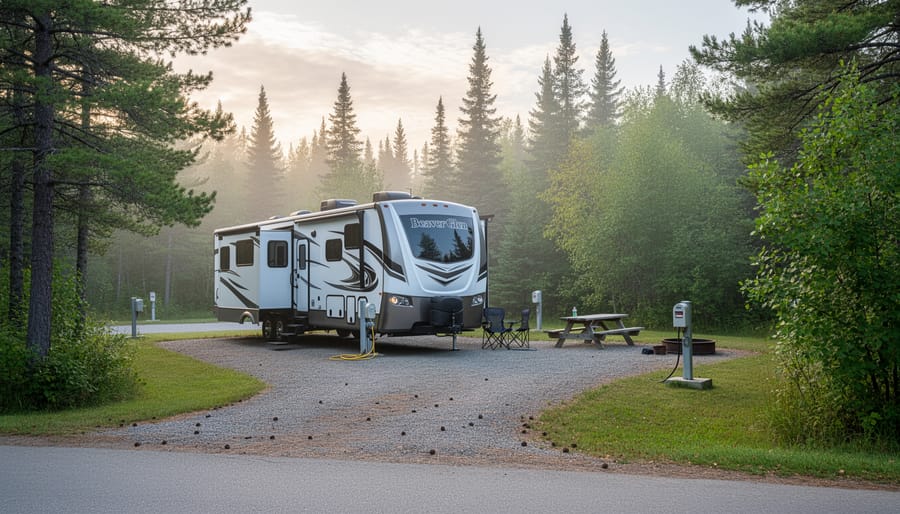
Prince Albert National Park sits at the meeting point of prairie and boreal forest, creating a landscape unlike anywhere else in Canada. Rolling hills thick with aspen and spruce give way to calm lakes, and the wildlife viewing rivals parks with much bigger reputations. I’ll never forget pulling into Beaver Glen campground for the first time and watching a family of deer wander past our site at dusk, that transition zone magic makes every morning feel like a new discovery.
Beaver Glen campground is the park’s main RV hub, offering full-service sites with 30-amp power, water hookups, and a dump station. The sites accommodate rigs up to 45 feet, though loops vary in size, so check when booking. You’re steps away from hiking trails that wind through mixed forest to sandy beaches on Waskesiu Lake, and the campground’s central location puts you close to the townsite for supplies without sacrificing the wilderness feel.
For 2026, Beaver Glen campground details show reservations opening January 30 at 8:00 a.m. CST, covering stays from May 14 through October 11. You can book online at or call 1-877-RESERVE. Setting up your Parks Canada account before January 30 saves scrambling on reservation day, especially for peak summer weekends.
What makes Prince Albert special for RV travelers is the combination of accessibility and remoteness. You get proper amenities and easy driving from Regina or Saskatoon, but you’re camping in a landscape where elk bugle in September and the night sky stretches uninterrupted for miles. It’s Saskatchewan’s best-kept secret.
2. Banff National Park, Alberta
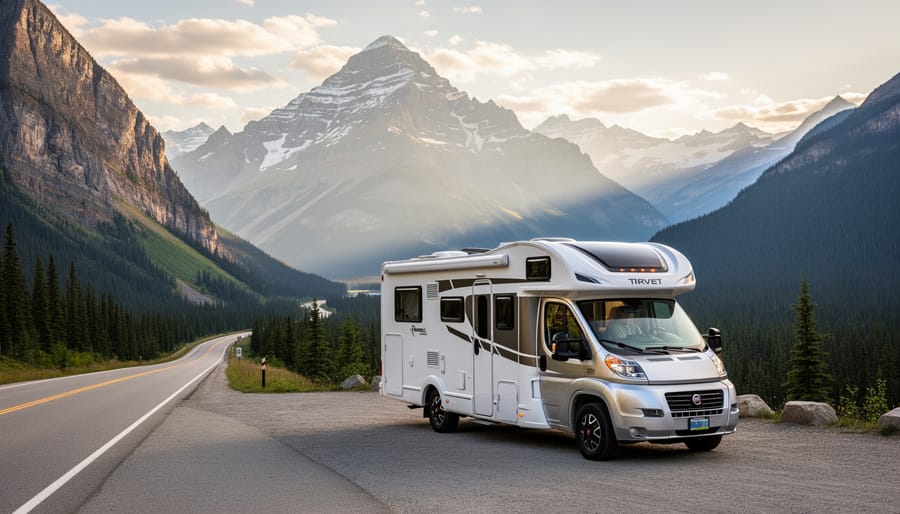
Banff delivers the postcard-perfect Rocky Mountain experience that draws RV travelers from around the world, towering peaks, turquoise lakes, and wildlife sightings that make the journey unforgettable. The park’s popularity means you’ll need strategy and patience, but the payoff is camping surrounded by some of the most dramatic scenery Canada offers.
Tunnel Mountain is the go-to campground for most RV travelers, offering over 600 sites across three separate campgrounds with varying levels of service. Tunnel Mountain Village I and II provide electrical hookups, while Village I also includes sewer connections for those who want full amenities. The third option, Tunnel Mountain Trailer Court, caters specifically to hard-sided RVs and offers the most services. All three sit within easy reach of Banff townsite, making resupply runs and restaurant visits convenient without breaking camp.
Size matters here. Maximum RV lengths vary by site, with most accommodating rigs up to 27 feet and select sites handling units up to 40 feet. Check specific site dimensions when booking rather than assuming your rig will fit, discovering you’re too long at check-in creates headaches nobody wants on vacation. The campgrounds include paved roads and level pads, which your stabilizer jacks will appreciate after mountain driving.
Book early or accept disappointment. Reservations for Banff’s campgrounds open in January for the upcoming season, and prime summer dates disappear within hours. Set up your Parks Canada account beforehand, have your dates flexible by a few days if possible, and be online right at 8:00 a.m. when reservations launch. If you miss the initial rush, check back regularly, cancellations happen, especially as trip dates approach.
Expect crowds during July and August. The parking lots fill, the trails get congested, and finding a spot at Lake Louise before 7:00 a.m. becomes nearly impossible. That said, the early mornings offer magic, elk grazing near your campsite, mist rising off the Bow River, and alpenglow painting the peaks before most visitors stir.
3. Pacific Rim National Park Reserve, British Columbia
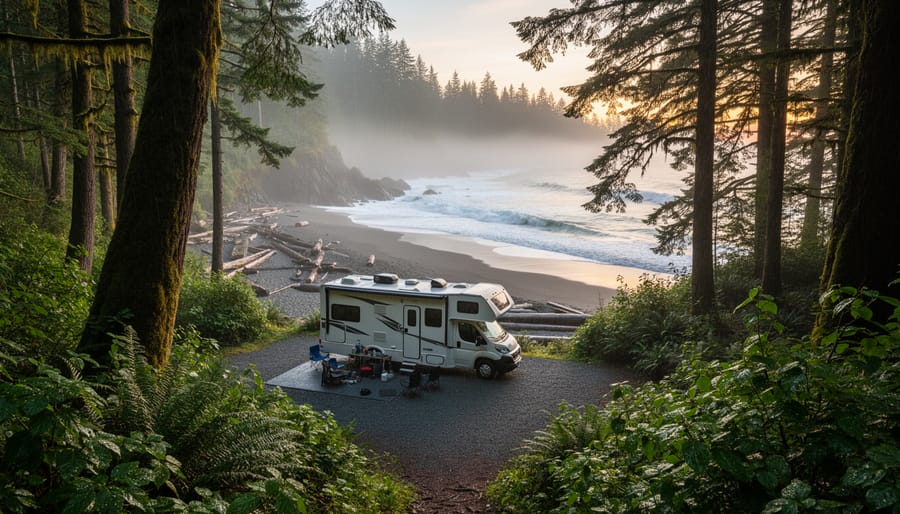
Pacific Rim National Park Reserve on Vancouver Island delivers a completely different RV camping experience than anything you’ll find inland. Here, temperate rainforest meets the wild Pacific Ocean, creating an atmosphere where misty mornings, crashing waves, and towering Sitka spruce define your days. It’s dramatically different from the prairie landscapes or even RV-friendly Ontario destinations, and that coastal magic is exactly what draws adventurous travelers to this remote corner of British Columbia.
Green Point Campground sits right on the Pacific between Long Beach and the town of Tofino. The campground offers oceanfront sites where you fall asleep to wave sounds and wake to seabirds calling overhead. Full-service sites can accommodate larger RVs, though the coastal environment means tight maneuvering through forested loops. Morning fog often blankets the campground until midday, burning off to reveal stunning ocean vistas and nearby beach access for tide pooling and storm watching.
Weather is the wild card here. Summer brings the most stable conditions, but “stable” on the west coast still means packing rain gear and layers. Even in July and August, expect cool mornings, afternoon sunshine that may or may not appear, and the occasional drizzle. Fall and winter transform this area into storm-watching territory, when massive Pacific systems roll in with dramatic wave action that experienced RVers travel specifically to witness from the safety of their rigs.
Plan for dampness in everything. Coastal humidity penetrates gear, so proper ventilation in your RV becomes critical. The reward for embracing these conditions is access to one of Canada’s most spectacular coastal environments, where black bears forage on beaches at low tide and bald eagles perch in shoreline trees.
4. Fundy National Park, New Brunswick
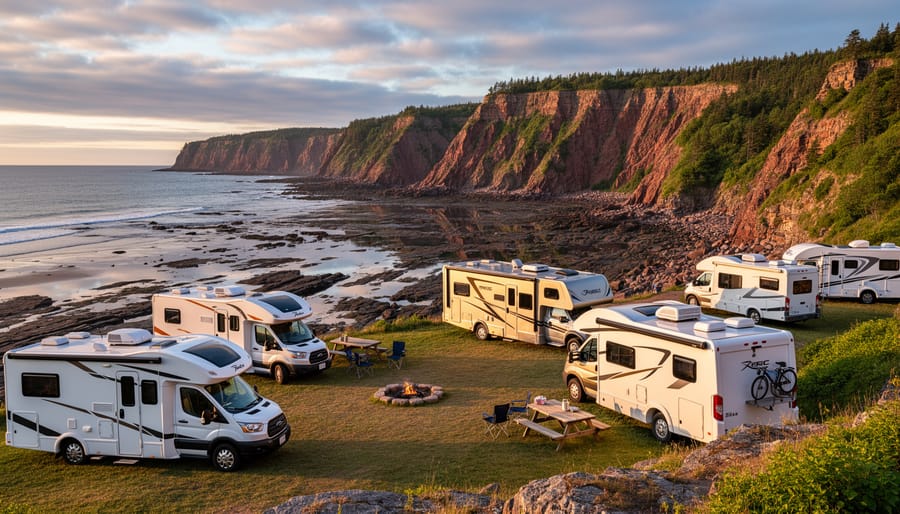
Fundy National Park sits on New Brunswick’s Bay of Fundy coast, where the world’s highest tides create a camping experience unlike anywhere else in Canada. Twice daily, the water level shifts up to 16 meters, transforming the shoreline from ocean floor to churning bay in a mesmerizing six-hour cycle. I’ll never forget my first morning there, walking out to tide pools at dawn and returning that afternoon to find those same pools submerged under 40 feet of seawater.
The park offers several campgrounds suited to different RV sizes and comfort levels. Headquarters Campground is the largest and most accessible, with over 100 sites that can accommodate RVs up to 40 feet. It features full electrical hookups, hot showers, and flush toilets, the amenities most RV travelers appreciate after days on the road. Point Wolfe and Chignecto North provide more rustic experiences with fewer hookups but stunning natural settings, though they’re better suited to smaller rigs or those comfortable without full services.
What defines camping here is the maritime rhythm. You’ll plan beach walks around tide schedules posted at visitor centers, and you’ll smell salt air mixed with spruce forest at every campsite. The park’s trail system includes coastal hikes along dramatic cliffs and inland routes through Acadian forest, giving you options whether you prefer ocean vistas or woodland shade.
The campgrounds feel distinctly East Coast, neighbors chat over morning coffee about the best spots to watch whales or where to dig for clams at low tide. It’s a welcoming, slower-paced atmosphere that matches the region’s character. Pack layers even in summer; coastal weather shifts quickly, and fog often rolls in by evening, adding an atmospheric quality to campfire conversations.
5. Gros Morne National Park, Newfoundland and Labrador
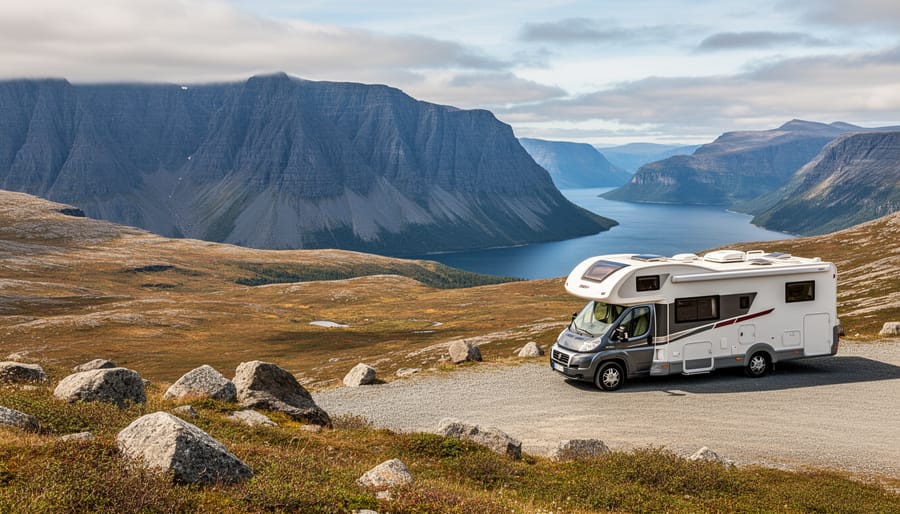
Gros Morne National Park sits on Newfoundland’s west coast, where ancient mountains meet the sea and geological forces have carved landscapes unlike anywhere else in the world. This UNESCO World Heritage Site deserves its protected status, the park showcases the earth’s mantle exposed at the surface, fjords that rival Norway’s, and coastal beauty that makes the long journey to Canada’s easternmost reaches completely worthwhile for adventurous RV travelers.
Getting here requires commitment. Newfoundland is an island, which means either a ferry crossing from Nova Scotia or flying into St. John’s and renting an RV locally. The Marine Atlantic ferry accommodates RVs of all sizes, though advance reservations are essential during summer months. Once you arrive, Route 430 delivers you through the park with pullouts perfect for photo stops and wildlife watching.
The park offers several campgrounds with varying levels of RV accessibility. Lomond Campground provides full hookups and accepts larger rigs, while Trout River and Berry Hill accommodate smaller RVs and offer a more rustic experience. The campsites put you within striking distance of the park’s highlights: Western Brook Pond’s landlocked fjord, the Tablelands’ rust-colored moonscape, and coastal hiking trails that reveal hidden coves.
What makes this destination special isn’t just the scenery, it’s the feeling of genuine remoteness combined with solid infrastructure. You’re far from crowds here, sharing space with moose, caribou, and seabirds instead of packed campgrounds. The local communities welcome RV travelers warmly, and you’ll find the slow pace and dramatic landscapes create those unforgettable moments that define why we choose life on wheels. Pack extra layers, bring your sense of adventure, and expect Gros Morne to exceed whatever images you’ve seen online.
6. Riding Mountain National Park, Manitoba
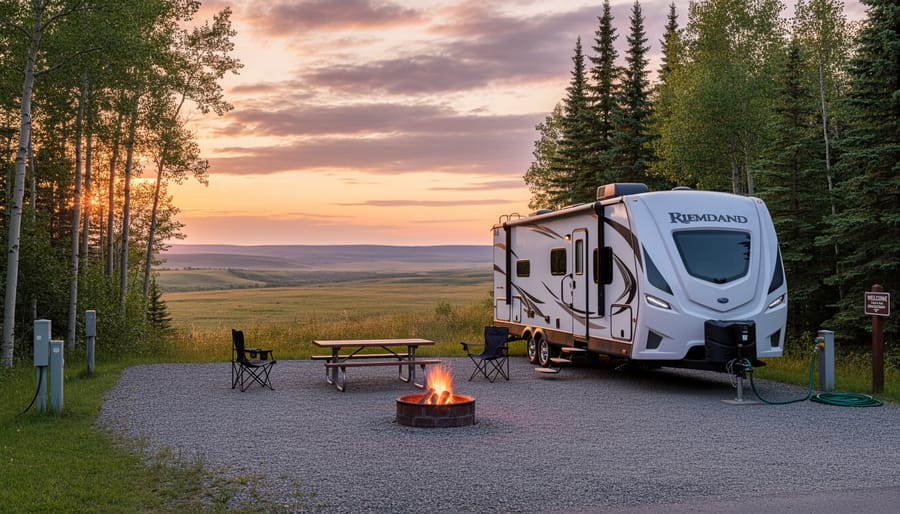
Riding Mountain National Park offers a refreshing alternative to Canada’s busier camping destinations, blending rolling parkland, boreal forest, and eastern deciduous woodland into one accessible prairie oasis. Located in western Manitoba, this park delivers the classic Canadian wilderness experience without the elbow-to-elbow crowds you’ll find in the Rockies, making it an ideal pick for families or anyone seeking a more relaxed pace.
The park’s campgrounds cater well to RVs of various sizes, with several offering full hookups and others providing a more rustic experience among the trees. Wasagaming campground, the main hub near the townsite of the same name, puts you within walking distance of Clear Lake’s beaches, restaurants, and a small grocery, handy when you’ve forgotten the marshmallows or need a break from camp cooking. For a quieter stay, Lake Audy campground on the park’s east side gives you a better chance of spotting the free-roaming bison herd that makes this park unique among Manitoba’s protected areas.
What makes Riding Mountain particularly family-friendly is its manageable scale and variety. You can kayak Clear Lake in the morning, hike to an old fire tower by afternoon, and still have energy left for evening wildlife watching, all without the marathon drives required in larger parks. The trails range from easy lakeside strolls to challenging backcountry routes, so there’s something for every fitness level.
Because Riding Mountain flies under the radar compared to western destinations, you’ll often find last-minute availability even during summer weekends. The campground community here tends to be especially welcoming, with that prairie hospitality that makes solo travelers and first-time RV campers feel immediately at home around the fire ring.
7. Cape Breton Highlands National Park, Nova Scotia
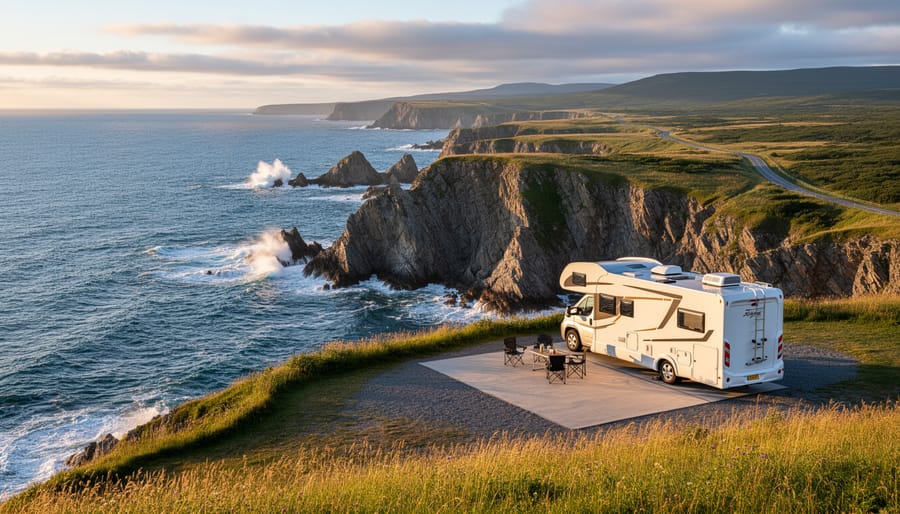
Cape Breton Highlands sits at the northern tip of Cape Breton Island, where the rugged Atlantic coastline meets ancient highland plateaus. For RV travelers willing to venture to Canada’s eastern edge, this park delivers one of the country’s most dramatic coastal camping experiences, ocean vistas that shift from sunrise pinks to storm-grey seas, all framed by cliffs that plunge straight into the water.
The Cabot Trail loops 298 kilometers around the park, and driving it in an RV requires confidence with hairpin turns and steep grades. Sections climb to 455 meters, then drop sharply toward fishing villages tucked into rocky coves. Plan for slower speeds and pull over at the frequent lookouts, both to let traffic pass and to simply absorb the view. Early morning drives, before tour buses arrive, give you the trail almost to yourself.
Chéticamp Campground on the park’s west side accommodates RVs up to 35 feet and offers unobstructed Gulf of St. Lawrence views. Sites here put you close to the fishing village of Chéticamp, where Acadian culture runs deep and fresh lobster comes straight off the boats. Broad Cove Campground on the east provides smaller, more sheltered sites suited to medium-sized rigs, with hiking trails leading to coastal headlands.
Weather changes fast. Pack layers even in July, and secure awnings before exploring, Atlantic winds gust without warning. Whale-watching tours depart from Pleasant Bay and Bay St. Lawrence; book ahead during peak season. Moose frequent the highlands at dawn and dusk, particularly along the trail between Chéticamp and Pleasant Bay, so drive alert and patient.
The journey to Cape Breton takes commitment, but standing at Skyline Trail’s clifftop boardwalk as sunset ignites the gulf reminds you why some destinations earn their remote status.
Practical Information for RV Camping in Canada
Booking Your Campsite: Reservation Systems and Timing
Setting up your Parks Canada reservation account before peak booking dates is one of the smartest moves you can make. Head to and create your profile now, entering your contact details, payment information, and preferences takes about ten minutes, and doing it ahead of time means you won’t fumble through account creation while thousands of other campers race to reserve campsites the moment bookings open.
Parks Canada releases reservations on staggered dates throughout January for the 2026 season. Popular parks like Banff and Pacific Rim typically open in mid-to-late January, while others like Prince Albert follow slightly later. Beaver Glen campground in Prince Albert National Park, for instance, opens for reservations on January 30, 2026 at 8:00 a.m. CST, covering stays from May 14 through October 11. Check the full schedule of 2026 campground reservation dates as soon as Parks Canada announces them, and set phone reminders for the parks on your list.
| Park/Campground | Reservation Opens | Time | Time Zone |
|---|---|---|---|
| Various Parks (Wave 1) | January 16, 2026 | 8:00 AM | Local to park |
| Various Parks (Wave 2) | January 20, 2026 | 8:00 AM | Local to park |
| Various Parks (Wave 3) | January 21, 2026 | 8:00 AM | Local to park |
| Beaver Glen, Prince Albert NP | January 30, 2026 | 8:00 AM | CST |
When booking day arrives, log in a few minutes early and have your preferred dates, site numbers, and backup options ready. The online system handles most reservations smoothly, but if you encounter technical issues or prefer speaking to someone, call 1-877-RESERVE (1-877-737-3783). Phone lines open at the same time as online bookings, though you may face longer wait times during the initial rush.
For peak summer weekends, especially holiday long weekends, sites vanish within minutes at the most popular campgrounds. Your best strategy is booking the instant reservations open, being flexible with your travel dates, or targeting weekdays when competition eases. Shoulder seasons in May, September, and early October often deliver beautiful weather with far better availability and a quieter, more intimate camping experience.
Best Times to Visit
Canada’s RV camping season varies dramatically by region, so timing your trip right makes all the difference. The prime window runs from late May through early September, when most national and provincial park campgrounds operate at full capacity. Parks Canada typically opens reservations in late January for the upcoming season, Beaver Glen in Prince Albert National Park, for instance, takes bookings starting January 30 for stays from May 14 to October 11.
Summer peak season (July and August) brings warm weather, long daylight hours, and full campground operation, but also means crowded sites and premium pricing. You’ll need to book months ahead for popular destinations like Banff or Pacific Rim. Some campgrounds, such as Red Deer in certain parks, only open during these peak months.
Shoulder seasons offer serious advantages for savvy RV travelers. Late May through June and September into early October deliver fewer crowds, lower fees, and stunning scenery, think fall colors in the Maritimes or wildflowers in the Rockies. You’ll find easier reservations and more peaceful campgrounds, though some facilities may have reduced hours or services.
Weather considerations matter more than calendar dates. British Columbia’s coast stays mild but wet through spring and fall. Prairie provinces can surprise you with chilly nights even in summer. Atlantic Canada warms up later but extends into comfortable September camping. Before heading out, check your RV maintenance list to ensure your heating and cooling systems can handle regional temperature swings.
Most campgrounds close by mid-October across Canada, with northern parks shutting down even earlier as winter arrives.
RV Requirements and Regulations
Understanding the rules before you roll helps you focus on the adventure instead of worrying about regulations. Canadian campgrounds follow national and provincial guidelines that vary by location, but most share common-sense standards that welcome RVs of all types.
Size Limits and Site Compatibility
National Parks Canada sets maximum RV lengths between 35 and 45 feet depending on the campground, with many sites comfortably accommodating rigs up to 40 feet. Provincial parks tend to offer similar limits, though older campgrounds may restrict larger units to 30 feet. When booking, the reservation system shows maximum RV length for each site, so check those details carefully. Slide-outs count toward your total length, and remember that loops with tight corners or overhanging trees can pose challenges even when your length fits the official limit.
Generator Use and Quiet Hours
Most campgrounds permit generator use during specific windows, typically 8 a.m. to 10 a.m. and 5 p.m. to 8 p.m., though rules vary. Some parks restrict generators entirely in certain loops or near hiking trailheads. If you plan extended stays or off-season camping when electrical hookups aren’t available, consider supplementing your power setup with solar panels or upgrading ventilation with an ERV system for better comfort without constant generator noise.
Waste Disposal and Water
Dump stations appear at most serviced campgrounds, though locations and hours differ. Full-hookup sites provide sewer connections, but many Canadian parks offer only water and electrical hookups, requiring you to use central dump facilities before departure. Bring your own hoses rated for potable water, and never dump grey water on the ground, even at primitive sites. Provincial regulations take water protection seriously, with fines for improper waste disposal.
Border Crossing Considerations
Crossing the border with your RV is straightforward when you know what to expect. If you’re traveling from the U.S., bring your passport and be prepared to answer questions about your trip length, destination, and what you’re carrying. Officers are friendly but professional, honesty makes the process quick.
You’ll need to declare certain items. Fresh produce, meat, dairy, and plants often face restrictions, so check current Canada Border Services Agency guidelines before you pack. Firearms require special permits and declaration, while bear spray (common for RV camping) is allowed if it’s clearly labeled for animal deterrent use. Don’t forget about your pets, dogs and cats need proof of rabies vaccination dated within the past three years.
Most crossings move efficiently during weekday mornings, while weekends and holiday periods can mean longer waits. Have your registration and proof of RV ownership handy, especially if you’re towing a trailer. Some travelers worry about propane tanks, and here’s good news: they’re permitted as long as valves are closed and tanks are secured.
For international travelers from countries beyond the U.S., check whether you need a visitor visa or Electronic Travel Authorization before planning your journey north.
Local Tips from the Canadian RV Community
Making the Most of Your National Park Experience
The key to a great park experience is arriving early, really early. I’ve watched the sunrise from empty parking lots at popular trailheads more times than I can count, and those quiet morning hours before the crowds arrive are pure magic. You’ll spot more wildlife, snag better photos, and actually enjoy the peace that drew you to these places in the first place.
Don’t just stick to the marquee attractions everyone talks about. Ask park staff which trails see less traffic or which scenic viewpoints locals favor. Some of my most memorable moments happened on short connector trails between the famous spots, where we had entire valleys to ourselves.
Respect for wildlife isn’t just rules on a sign, it’s about giving animals space and staying quiet when you encounter them. Keep a safe distance (those zoom lenses exist for a reason), never feed any creature no matter how cute, and store food properly. The bears, elk, and moose were here first.
Take your time. You don’t need to hit every viewpoint or hike every trail. Pick a few experiences that genuinely interest you, savor them fully, and leave room for spontaneous discoveries. The best stories often come from the unplanned detours.
Finding Community on the Road
One of the greatest joys of RV camping in Canada is the genuine warmth you’ll encounter from fellow travelers. Canadian campers have earned their reputation for friendliness, and you’ll often find neighbors offering firewood, sharing local trail recommendations, or inviting you to join a sunset campfire chat. I still remember a rainy evening at a Saskatchewan campground when the couple next door noticed us struggling with a stuck awning. Within minutes, they’d grabbed their tools and helped us fix it, then insisted we join them for hot chocolate once the rain stopped. That chance encounter turned into an annual tradition of meeting up at different parks across the provinces.
Connecting starts with simple gestures. A friendly wave when you arrive, respecting quiet hours (typically 11 p.m. to 7 a.m. at most Parks Canada sites), and keeping campfire smoke and noise contained to your site go a long way. Many campgrounds have communal fire pits or gathering areas where conversations naturally flow. Don’t hesitate to ask about someone’s rig or their favorite stops along their route, most RVers love sharing their experiences and discoveries.
If you’re looking for more structured community, check campground bulletin boards for group hikes or potluck announcements. The Canadian RV camping community thrives on this spirit of mutual support and shared adventure, turning strangers into road friends who enrich your journey far beyond the landscapes.
Preparing for Off-Grid Camping
Off-grid camping lets you discover Canada’s remote wilderness far from crowded campgrounds, but it demands preparation. Start with the essentials: a full freshwater tank, extra battery capacity (consider solar panels for extended stays), and proper waste management tools. Stock non-perishable food, a reliable first-aid kit, emergency communication devices like a satellite phone or PLN beacon, and physical maps since cell service vanishes quickly in the backcountry.
Many RVers enhance their rigs with simple van life projects before heading off-grid, installing LED lighting to conserve power, adding reflective window covers for temperature control, or building compact storage solutions for bulky camping gear. These modifications make boondocking more comfortable without requiring professional installation.
Know your limits and location. Download offline maps, share your itinerary with someone reliable, and understand local regulations about Crown land camping (rules vary by province). Check fire restrictions before departure, pack bear-proof containers in wildlife areas, and carry tire chains if venturing onto rough forestry roads. The solitude and star-filled skies make the extra planning worthwhile, but respect that remote camping means self-reliance when things go wrong.
Frequently Asked Questions
Getting ready for your Canadian RV adventure naturally raises plenty of questions. Here are the answers to some of the most common concerns we hear from travelers planning their first (or next) trip north.
How much do campground fees typically cost in Canadian national parks?
National park campgrounds generally range from $25 to $45 per night depending on the site type and amenities, with full-service RV sites on the higher end. Many provincial parks offer even more budget-friendly options, sometimes starting around $20 per night for unserviced sites.
How should I prepare for bear encounters while RV camping in Canada?
Store all food, toiletries, and scented items inside your RV with windows and doors secured, never leave garbage outside overnight, and carry bear spray when hiking. Most Canadian campgrounds in bear country provide bear-proof storage bins and clear guidelines specific to that region’s wildlife.
Can I expect reliable cell service at Canadian campgrounds?
Cell coverage varies widely, you’ll often have service in campgrounds near towns or major tourist areas, but expect limited or no signal in remote parks like Gros Morne or parts of the Rockies. Download maps and important information before you arrive, and embrace the digital detox as part of the adventure.
Are dump stations readily available at Canadian campgrounds?
Most developed campgrounds in national and provincial parks include dump stations (also called sani-dumps), typically free for registered campers. Private campgrounds almost always offer this service, and many Canadian towns provide public dump stations for a small fee if you’re traveling between destinations.
One question that often surprises U.S. travelers: you don’t need a separate camping permit beyond your campsite reservation and park entry fee. Your paid reservation through the Parks Canada system or provincial park booking platforms covers your camping authorization. Just bring your confirmation number and valid ID when you check in.
The beauty of RV camping in Canada is that most of the logistics are straightforward once you understand the reservation system. Park staff are genuinely helpful and accustomed to answering questions from travelers, so don’t hesitate to call ahead if something’s unclear about a specific campground. We’ve found that a quick phone call before booking can save hours of uncertainty and help you choose the perfect site for your rig and travel style.
Canada’s vast landscapes and welcoming RV infrastructure create the perfect canvas for your mobile lifestyle dreams. Whether you’re drawn to the rugged coastlines of the Maritimes, the towering peaks of the Rockies, or the serene lakes of the prairies, there’s a uniquely Canadian adventure waiting for you on wheels.
The beauty of RV camping in Canada isn’t just about the destinations you’ll discover, it’s about the journey itself. It’s the spontaneous decision to stay an extra night because the sunset was too beautiful to leave. It’s the campfire conversations with fellow travelers who quickly become friends. It’s the freedom to wake up somewhere new and follow your curiosity down an unexpected road.
Now’s the time to start planning your 2026 Canadian RV adventure. Set up your Parks Canada reservation account today, mark those January opening dates on your calendar, and begin dreaming about which landscapes will frame your summer mornings. Whether this is your first trip or your fiftieth, the road ahead holds fresh discoveries.
Remember, you’re not embarking on this journey alone. The Life on Wheels community is here, sharing tips, swapping stories, and celebrating the freedom that comes with mobile living. We’re all travelers together, finding home wherever we park.
The open road is calling. Canada is waiting. Your adventure starts the moment you decide to go.