
Research peptides sold by companies like KyloPeptides and similar vendors are laboratory chemicals meant exclusively for in vitro scientific study, not human consumption or wellness use. If you’ve seen them advertised in van life Facebook groups, wellness influencer posts, or at festivals, here’s what you need to know: these compounds carry serious legal and health risks when used outside controlled research settings, and they have no place in your mobile lifestyle health strategy.
I first encountered peptide talk three years ago at a van gathering in Moab, when someone in our circle started promoting a “recovery compound” they’d bought online. The conversation troubled me because the van life community has always championed holistic, accessible wellness approaches. These research chemicals represent the opposite: unregulated substances with unknown purity, zero dosing standards, and potential criminal liability depending on your location and intent.
The companies selling these products label them “not for human consumption” to skirt FDA oversight. That disclaimer isn’t legal fine print. It means no safety testing, no quality control beyond what a research lab would verify, and no medical supervision. When you’re living on the road, you’re often far from emergency medical care. Taking an unregulated chemical compound in that context multiplies the risk exponentially.
Van lifers deserve better than predatory marketing disguised as biohacking. Real optimization for mobile living comes from proven strategies: whole foods you can store efficiently, bodyweight training that works anywhere, quality sleep systems, and stress management through the lifestyle itself. Those fundamentals, covered in our guide to health basics on the road deliver sustainable results without legal jeopardy or health gambles.
The Van Life Health Puzzle: Why Peptides Became Part of the Conversation

Living in a van changes how you think about health. When your home is 80 square feet and your gym is wherever you park, conventional wellness advice starts feeling pretty disconnected from reality. You can’t meal prep when your fridge runs on solar power. Your doctor isn’t down the street anymore. That consistent sleep schedule? Good luck when you’re crossing time zones every week.
These challenges push van lifers toward creative solutions, and that’s generally a strength of our community. We’ve figured out how to build standing desks that fold into bed frames and turn parking lots into yoga studios. But this problem-solving mindset also makes us vulnerable when someone markets a supposed shortcut to better health.
Research peptides started appearing in van life wellness discussions around 2023, mostly through fitness and biohacking influencers who’d crossed over into the nomadic space. The pitch was tempting: small vials that don’t need refrigeration, promising faster recovery from long drives, better sleep despite irregular schedules, and improved energy without the coffee dependency so many of us develop on the road.
The appeal makes sense when you’re dealing with legitimate stressors. Sitting for hours while driving takes a toll on your body. Finding fresh vegetables in rural areas isn’t always simple. Getting quality sleep when you’re parked at a truck stop with idling engines nearby is genuinely difficult. When you’re tackling these real challenges daily, and someone suggests a “research compound” that might help, it’s easy to see why folks get curious.
What started as occasional mentions in forums has grown into a noticeable trend, with some van life content creators openly discussing their use of these products, often without acknowledging the significant legal and safety questions involved. That’s where our community needs to pause and ask harder questions about what we’re actually considering.
What You’re Actually Seeing When Research Peptides Come Up in Van Life Forums
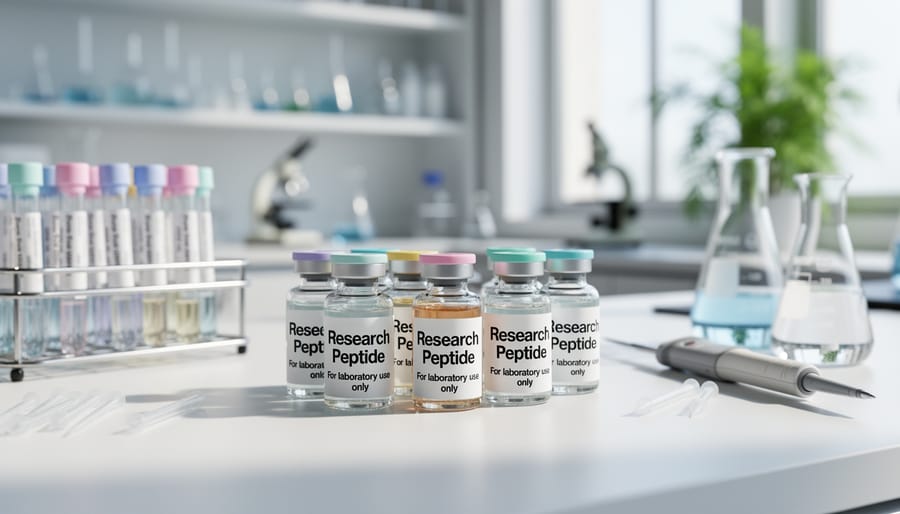
You’ll see these terms popping up in Facebook groups and campground conversations more than you’d expect, often alongside promises of enhanced recovery, better sleep, or faster muscle building. Before you click on any “research peptides for sale” link shared by a well-meaning fellow van lifer, here’s what you’re actually looking at.
Research peptides are synthetic chains of amino acids created for laboratory studies and scientific experiments. They’re not supplements, not medications, and definitely not the wellness products some online vendors make them sound like. The “research only” label isn’t marketing fluff, it’s a legal distinction that means these compounds haven’t been approved for human use by the FDA or Health Canada.
Here’s the vocabulary you need to understand what these products actually are:
- Research Peptides
- Synthetic amino acid compounds manufactured exclusively for laboratory research, not approved or evaluated for human consumption or therapeutic use.
- Peptide Compounds
- Chains of amino acids that can signal cells to perform specific functions, studied in controlled laboratory settings to understand biological processes.
- Laboratory Use Designation
- Legal classification indicating a substance is restricted to scientific research only and has not undergone safety or efficacy testing for human application.
- Regulatory Status
- The federal classification that determines whether a substance can be legally sold for human consumption; research peptides exist in a gray zone where sale for research is permitted but human use is not authorized.
The reality is that vendors exploit loopholes by selling these compounds with wink-and-nod disclaimers. They’ll include detailed “dosing protocols” and “administration guides” while technically labeling products “not for human consumption.” It’s similar to understanding RV terms to know before buying a rig, you need the real definitions, not the sales pitch.
The legal landscape gets murkier when you’re crossing state or provincial lines. What might be sold without immediate consequence in one jurisdiction could create problems in another, and possession without proper credentials can raise questions at border crossings. For van lifers who value freedom of movement, that’s a risk worth understanding clearly.
The safety picture is equally concerning. Without FDA oversight, there’s no guarantee that what’s in the vial matches what’s on the label, no quality control ensuring purity, and no long-term studies showing what these compounds do to human bodies over time.
The Real Health Solutions Van Lifers Actually Need
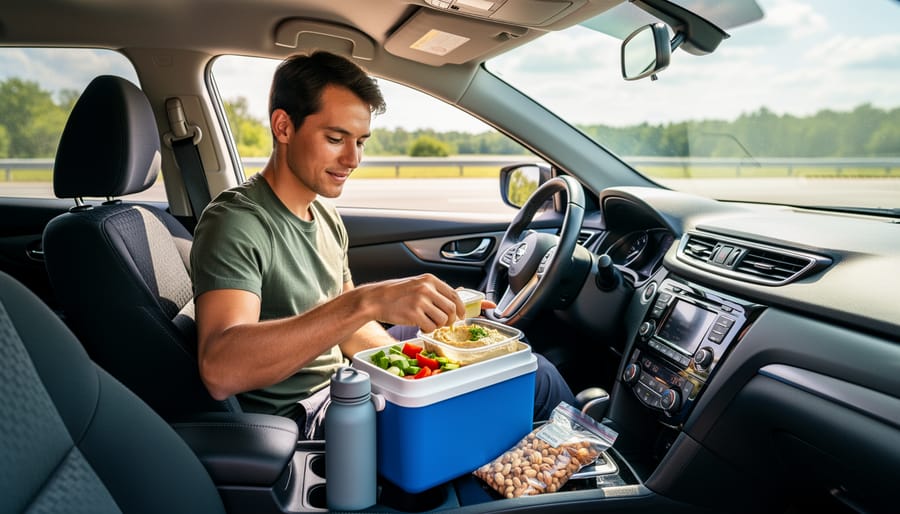
Let me tell you what’s actually worked for thousands of van lifers when it comes to staying healthy on the road, no research compounds required.
Nutrition: It’s About Systems, Not Perfection
The biggest nutrition challenge in van life isn’t eating healthy, it’s maintaining consistency when your kitchen is the size of a cutting board. Start with a solid foundation: invest in a quality cooler or 12V fridge, because consistent refrigeration changes everything. Build your meals around shelf-stable proteins like canned fish, dried beans, and nut butters, then add fresh produce at every grocery stop. You don’t need exotic supplements when you’re getting nutrients from real food.
Here’s what works: prep versatile base ingredients on low-travel days. Cook a big batch of quinoa, roast vegetables, or prepare overnight oats. These become building blocks for quick meals throughout the week. And don’t overlook your safe water routine proper hydration affects everything from energy levels to digestion to mental clarity.
Movement in Tight Quarters
You can maintain serious fitness in a space smaller than most people’s bathrooms. Bodyweight exercises are your foundation: push-ups, squats, lunges, planks. Add a resistance band (costs $15, fits in a drawer) and you’ve got a complete gym. Many van lifers do 20-minute morning routines before coffee, enough to maintain strength and mobility without needing equipment or space.
The real advantage? Your home moves to new hiking trails, climbing spots, and swimming holes constantly. Use that. Schedule active rest days around your travel route.
Sleep Quality Makes or Breaks Van Life
Poor sleep compounds every other health issue on the road. Address the basics first: block all light with proper window covers, manage temperature with ventilation or a small fan, and create a consistent bedtime routine even when your location changes. Consider your mattress a health investment, not a luxury, you’re spending a third of your life on it.
Managing Stress When Your Home Has Wheels
Nomadic living comes with unique stressors: mechanical issues, finding overnight spots, social isolation. Build daily practices that ground you: ten minutes of morning meditation, journaling, or simply sitting outside with coffee before checking your phone. Connect with other van lifers regularly, whether online or at meetups, community support matters more than any supplement ever could.
These aren’t shortcuts. They’re sustainable practices that actually work for the lifestyle you’ve chosen.
What Expert Van Lifers Say About Wellness Shortcuts
I’ve been living in my van for six years, and I can tell you, the first year, I tried everything. Every supplement someone mentioned in a Facebook group, every biohack that promised more energy, every shortcut that claimed to fix the fatigue that comes with constant travel. My friend Jake spent three months chasing down something he read about in a wellness forum, convinced it would solve his recovery issues from hiking. It didn’t. What did help? Fixing his sleep setup and eating actual vegetables instead of gas station snacks.
Here’s what the experienced van lifers I know have figured out: the people who thrive on the road are the ones who built sustainable routines, not the ones who jumped on wellness trends. Sarah, who’s been full-timing for eight years with her family, told me she wasted a year and hundreds of dollars on products that promised quick fixes before she realized her real issues were inconsistent sleep and dehydration. Once she invested in a proper mattress and started tracking her water intake, everything else fell into place.
The van life community is incredible at sharing knowledge, but that also means every new health trend spreads fast. I’ve watched peptides, nootropics, and a dozen other compounds make the rounds through our forums and group chats. The van lifers still going strong five, ten years in? They’re the ones who stepped back and asked questions. They’re the ones who said, “Show me the research” and “What are the actual risks?”
Marcus, a full-timer who works remotely while traveling, put it perfectly at a gathering last summer: “The road tests everything about you. If your health strategy requires sketchy products or depends on something you can only get from questionable sources, it’s not a strategy, it’s a liability.”
The best advice I’ve gotten from seasoned van dwellers is this: if it sounds too good to be true and you can’t explain it to your doctor, walk away.
Making Smart Choices: Your Van Life Health Checklist
Your health on the road deserves the same care and attention you give to maintaining your van. After conversations with hundreds of van lifers over the years, I’ve noticed the folks who thrive aren’t the ones chasing miracle solutions or falling for slick marketing. They’re the ones who build sustainable routines and make decisions based on actual evidence rather than desperation or fear of missing out.
Finding healthcare while traveling requires more planning than you might think. Before you hit the road, scan and upload all your medical records to a secure cloud service. Establish care with a telemedicine provider who can write prescriptions and offer consultations from anywhere, but also maintain a relationship with a primary care physician even if you only see them annually when you’re back in your home base. Many van lifers use apps like ZocDoc or Solv to find urgent care clinics or walk-in appointments when needed. Keep a running document of your location history so you can provide accurate travel information if you develop symptoms that might be location-related.
When you’re evaluating any health product or approach marketed to the van life community, especially if it promises dramatic results or seems too good to be true, run through this decision-making process:
- Research the product or intervention through medical databases like PubMed rather than marketing websites or testimonials.
- Check the legal status and verify any claims about FDA approval or research designation.
- Consult with a licensed healthcare provider before starting anything new, even supplements.
- Ask yourself whether this addresses a real health issue you’ve actually been diagnosed with or just a fear someone’s marketing created.
- Look for red flags like vague science-y language, pressure to buy quickly, claims about reversing aging, or promises that seem unrealistic.
- Consider whether the same outcome could be achieved through proven methods like better sleep, nutrition adjustments, or movement.
The van life community thrives on shared knowledge, but remember that what works for someone else’s body might not work for yours, and anecdotes aren’t the same as evidence. Create a simple health routine that fits your space and schedule: a five-minute morning stretch sequence, meal prep Sunday even if your kitchen is twelve inches wide, or a standing agreement with yourself to walk for twenty minutes after breakfast. These unglamorous, consistent practices outperform any shortcut every single time.
Keep a basic medical kit that includes prescription medications, over-the-counter pain relievers, antihistamines, wound care supplies, and any specific items your healthcare provider recommends for your individual needs. Review and restock it quarterly, and know where the nearest hospital is whenever you park for more than a night.
Your health on the road matters too much to gamble on products that weren’t designed for human use in the first place. The good news? The van life community already has everything it needs to thrive without cutting corners or chasing wellness shortcuts that come with question marks attached.
We’ve watched this community grow stronger by sharing what actually works. Real experiences with meal prep in a camper van. Tested routines for staying active at rest stops. Honest conversations about mental health while traveling solo. This collective wisdom beats any product marketed with vague promises and legal disclaimers.
Sustainable health on the road isn’t about finding the next optimization hack. It’s about consistent basics that your body actually understands: whole foods you can store in limited space, movement that fits your travel schedule, quality sleep in your setup, and stress management techniques that don’t require a lab coat to explain. Add these fundamentals to your van life checklist alongside your water pump maintenance and tire pressure checks.
The most experienced van dwellers will tell you the same thing: there’s no shortcut to feeling good while living mobile. But there’s also no need for one. The lifestyle itself, when approached with intention and community support, creates the conditions for genuine wellness. Trust the process, trust the community, and trust that your health deserves better than research-only compounds with unknown risks.