
Securing an RV-friendly campsite in Yoho National Park means booking through the Parks Canada Reservation Service the moment reservations open in mid-January, then navigating Highway 1 straight into the heart of the Canadian Rockies. The entire process, from creating your account to pulling into your designated site, takes careful timing but rewards you with towering peaks, turquoise lakes, and some of the most accessible mountain scenery you’ll find anywhere along the Trans-Canada corridor.
I’ll never forget the rush of hitting “reserve” at exactly 8 am MT on launch day, competing with hundreds of other van lifers and RVers for those coveted frontcountry spots. The 2026 season saw reservations open on January 20, and sites filled fast for peak summer dates. If you missed the initial wave, don’t panic. Cancellations pop up regularly, and a little persistence goes a long way.
Yoho sits right on Highway 1, making access straightforward whether you’re driving a compact camper van or towing a full-size fifth wheel. The park enforces clear regulations: your rig and setup must stay within your designated site boundaries, you’re limited to six people maximum per site, and you can stay up to 14 nights. These aren’t arbitrary rules. They protect the fragile alpine environment while giving everyone a fair shot at experiencing this stunning pocket of British Columbia.
For those just starting out, our tips for beginning RVers can help you prepare for mountain camping conditions and reservation strategies. This guide walks you through every step, from setting up your Parks Canada account to understanding what frontcountry camping actually offers in Yoho.
What You’ll Need Before Booking Your Yoho RV Campsite
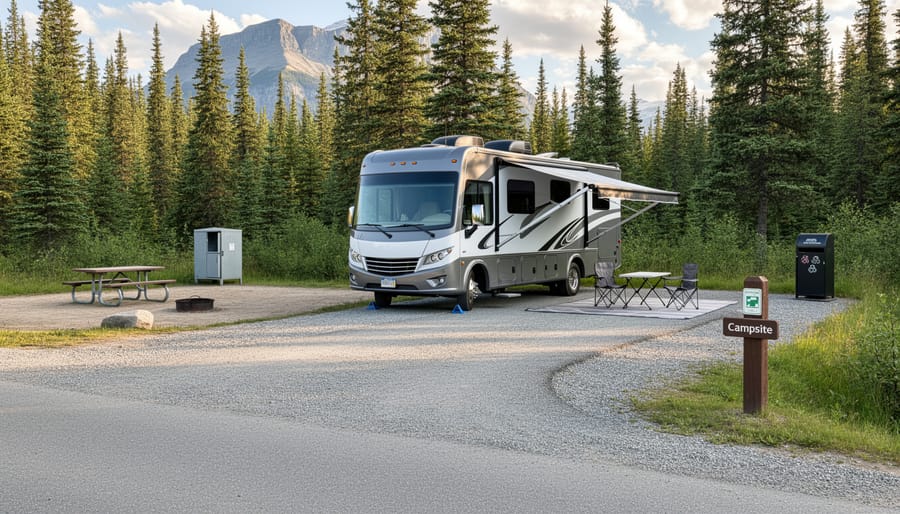
Getting your reservation right the first time starts with having everything organized before you hit that “book now” button. Trust me, there’s nothing worse than losing your spot in the system because you had to hunt for your credit card or weren’t sure which dates worked.
Here’s what you need ready:
- A Parks Canada account (create one at if you don’t have one yet)
- Your RV specifications: exact length, width, and whether you’re driving a motorhome, trailer, or fifth-wheel
- Firm travel dates plus two or three backup options in case your first choice is full
- The number of people in your group (remember, six is the maximum per site)
- A valid credit card for payment
- Your campground preference researched ahead of time
I recommend treating this like any trip prep you’d do with your essential RV checklists. Knowing your RV’s dimensions is critical because Yoho’s campgrounds have varying site sizes, and you don’t want to arrive only to discover your rig won’t fit. Measure if you’re not certain.
Have your backup dates written down somewhere visible. When reservations open on January 20, 2026 at 8 am MT, popular dates disappear fast. If your ideal week is gone, you can pivot immediately instead of panicking or settling for nothing.
One last thing: decide now whether you’re booking online or calling 1-877-RESERVE. The online system runs 24/7 through Parks Canada Reservation Service, but some folks swear by phone booking during the initial rush. Pick your method beforehand so you’re not second-guessing yourself when the clock strikes eight.
Important Rules and Restrictions for RV Camping in Yoho
Before you book your Yoho campsite, you need to understand the park’s non-negotiable rules. Parks Canada enforces these regulations to protect the environment and ensure a safe, enjoyable experience for everyone.
First, each campsite has a maximum six people per site limit, including kids. If you’re traveling with a larger group, you’ll need to reserve multiple sites. The park also enforces a 14-night maximum length of stay, so plan accordingly if you’re hoping to spend an extended period exploring the area.
The park strictly enforces that camping only in designated campsites is permitted. You can’t pull off the highway or park in day-use areas overnight, no matter how tempting that remote viewpoint might look. Your vehicles must stay on site and within the marked boundaries, which can be tight in some older campgrounds not originally designed for modern Class A motorhomes.
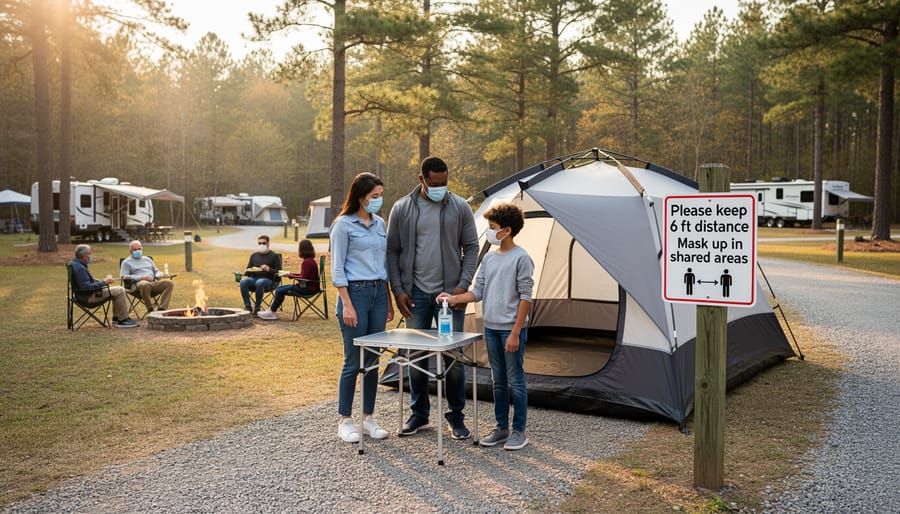
Regarding COVID-era protocols, Parks Canada may still maintain some health measures at shared facilities like washrooms and water stations. Check our Canada COVID travel tips guide before your trip for current requirements. Basic RV park etiquette applies here too: respect quiet hours, keep your site tidy, and be mindful of your neighbors in what can be fairly compact campground settings.
Step-by-Step: How to Reserve Your Yoho Campsite
Booking Online vs. By Phone
I’ve tried both methods during peak reservation season, and each has its strengths. The online system through Parks Canada Reservation Service runs 24/7, which means you can log in at exactly 8 am MT on January 20, 2026, when Yoho reservations open. The interface lets you compare available sites side-by-side and immediately see which ones accommodate your RV length. You control the pace, which helps when you’re scanning for the best location.
The phone line at 1-877-RESERVE works well if you’re less comfortable navigating websites under pressure or if the online system slows down from heavy traffic. I’ve found agents helpful for clarifying site details when the descriptions are vague. The downside is longer wait times during the initial rush, and you can’t see all options at once.
For high-demand periods like the January launch, I recommend having both methods ready. Start online at 8 am sharp, but keep your phone handy with the number dialed if the site lags. Many RVers in the community swear by the “two-device strategy”, one person on the website, another on hold by phone. Whichever method you choose, have your travel dates and RV specs written down so you can move quickly when you get through.
Choosing an RV-Accessible Campground
When you’re looking at campground options in Yoho’s reservation system, the site descriptions will tell you what you need to know, but you’ll be doing a bit of detective work to match your rig to the right spot.
Yoho has four frontcountry campgrounds, and not all of them are built for RVs. The biggest factor is length. Look for the maximum vehicle length listed in each site’s details. If you’re driving a 30-foot Class A, you need a site that explicitly accommodates that size. Don’t assume you can squeeze into a shorter space, the park enforces these limits, and you don’t want to arrive and find out your rig won’t fit.
Pay attention to the campground descriptions, not just individual sites. Some campgrounds are geared toward tent campers or smaller rigs, while others are designed with larger RVs in mind. The reservation system will show which sites allow RVs, so filter by your vehicle type and length before you start browsing.
I’ve learned to screenshot the site details during booking. It’s easy to forget which campground you picked when you’re rushing through the process on January 20, and having that reference later helps when you’re actually planning your drive in.
One thing the system won’t always spell out: accessibility features or specific pad surfaces. If those matter for your setup, call 1-877-RESERVE after booking to confirm details the online listing doesn’t cover.
Planning Your Route: Getting Your RV to Yoho National Park
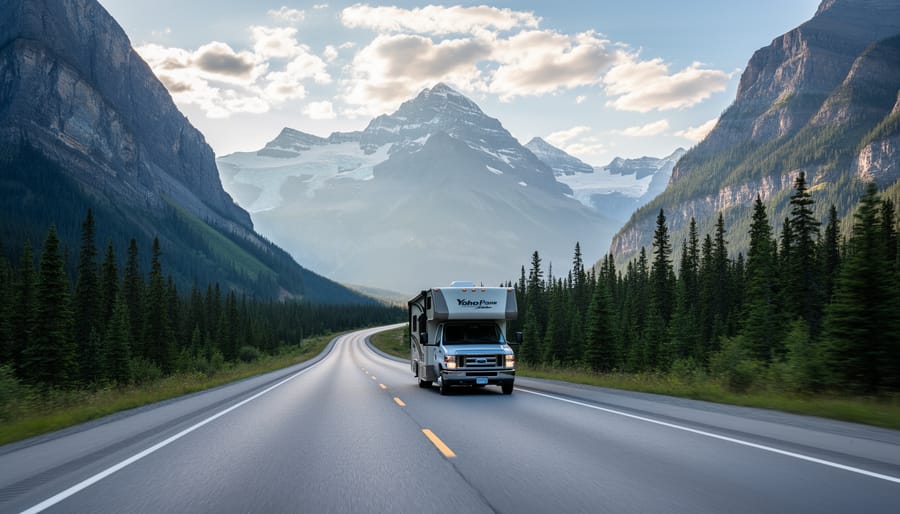
Highway 1, the Trans-Canada Highway, runs straight through the centre of Yoho National Park, which makes navigation pretty straightforward. You’ll enter from either the east (coming from Banff) or the west (from Golden), and the highway is well-maintained year-round since it’s a major cross-country route.
I’ve driven this stretch in a 28-foot Class C, and it’s manageable for most RVs. The highway does have some grades and curves, especially near Kicking Horse Pass, so take it slow if you’re pulling a large trailer or driving a longer rig. Watch your speed on descents and give yourself extra stopping distance. The scenery is stunning, but keep your eyes on the road, those mountain pullouts exist for a reason.
Fuel up before you enter the park. The closest reliable gas stations are in Field (a tiny town within the park, but not always open or well-stocked) or better yet, fill up in Lake Louise to the east or Golden to the west. Golden is about 25 minutes west of the park boundary and has full services including grocery stores, propane, and dumping stations. If you’re coming from Banff, top off in Lake Louise. Running low on fuel in the mountains is stressful, and you don’t want to be searching for a station when you should be setting up camp.
Plan for longer travel times than GPS suggests. Wildlife often crosses Highway 1, and you’re required to slow down in wildlife zones. Add at least 30 minutes to your estimated drive time, especially during summer when traffic picks up. I always budget extra time for photo stops too, trying to rush through scenery this good feels like a waste.
Check road conditions before you leave, particularly in spring and fall. Parks Canada posts current highway status online, and conditions can change quickly in mountain weather.
What to Verify Before You Arrive
Before you hit the road, take time to triple-check your reservation and gather current information. I learned this lesson the hard way on my first big RV trip when I showed up to find my campground closed for bear activity, a quick phone call the day before could have saved me hours of scrambling.
Start by logging into your Parks Canada account to review your confirmation. Make sure your reservation dates, campground name, and site number match your plans. If you booked by phone, dig out that confirmation email and double-check everything matches what you were told.
Next, visit the Parks Canada website for current conditions. Campgrounds can close temporarily for wildlife management, weather damage, or facility maintenance. During my last trip through the Rockies, a spring storm had delayed seasonal opening by a week, something I only caught because I checked three days ahead. Look for any updates to shared-facility protocols that might still be in place from COVID-era changes, especially around washroom access and water stations.
Weather in Yoho can shift dramatically, even in summer. Check the extended forecast for Field, BC, and pack layers. I always throw in an extra blanket and rain gear, even when the forecast looks perfect. Mountain weather doesn’t care about predictions.
Make sure you sanitize fresh water tanks before leaving home, and confirm your propane levels are topped up. You’re ready when you’ve got your confirmation printed (cell service can be spotty), current park information noted, your rig prepped, and a backup plan if something goes sideways.
If your plans change, cancel as early as possible through the reservation system. Other RVers are waiting for those spots, and you’ll avoid unnecessary fees.
Common Questions About RV Camping in Yoho
Booking an RV trip to Yoho brings up some practical questions, especially if this is your first Parks Canada reservation. Here are the answers to what fellow van lifers and RVers ask most often when planning their Yoho adventure.
When do Yoho campsite reservations open for 2026?
Reservations launch on Tuesday, January 20, 2026, at 8 am MT through the Parks Canada Reservation Service online or by calling 1-877-RESERVE. Sites book quickly during the first few hours, so set a reminder and have your details ready before that 8 am start time.
How far in advance should I book my Yoho campsite?
Book as early as possible once reservations open in January if you have fixed travel dates, especially for July and August weekends. Popular RV-accessible sites fill within days of the launch, though cancellations do open up closer to arrival dates if you check regularly.
What size RV can I bring to Yoho campgrounds?
Site dimensions vary by campground, so check the specific site details when booking through the reservation system. The listing will show maximum vehicle length for each site, helping you match your rig to appropriate spots before you confirm.
Are there RV hookups at Yoho campsites?
Campground facilities differ across the park’s four campgrounds. Review the amenities listed for each site during your reservation process to see what’s available, and plan your water and power needs accordingly for self-sufficient camping.
One question that comes up less often but matters for current trip planning: COVID protocols at Parks Canada campgrounds have evolved significantly since 2020, but some shared facility guidelines may still be in place depending on public health conditions. Check the Parks Canada website closer to your travel date for any current health and safety measures affecting washroom access, group sizes beyond the standard six-person maximum, or campground capacity adjustments.
You’re limited to 14 nights maximum per stay, which gives you plenty of time to explore the park without rushing. Each site accommodates up to six people including kids, and all vehicles and tents must stay within your designated site boundaries. These rules keep campgrounds safe and enjoyable for everyone, and they’re enforced consistently throughout the season.
You’ve got all the tools you need to snag a spot at one of Canada’s most stunning mountain parks. Mark January 20 on your calendar, get your Parks Canada account set up, and be ready when those reservations open at 8 am MT. The process is straightforward once you know the steps, and the payoff, waking up surrounded by those turquoise lakes and towering peaks, is absolutely worth it.
RV travel keeps getting better for those of us who value flexibility and connection to nature. Even as we’ve moved past the height of the pandemic, the freedom to carry your home with you remains one of the best ways to explore safely and on your own terms. Yoho offers exactly what van lifers and RV travelers crave: accessible wilderness, solid infrastructure along Highway 1, and the chance to unplug while staying mobile.
We’d love to hear how your Yoho adventure goes. Share your campground tips, favourite views from your RV window, or lessons learned navigating the reservation system with the community. Every trip adds to our collective knowledge and helps fellow travelers make the most of their journeys. Safe travels, and enjoy those mountain sunrises.